Healthy Aging · Memory & Focus
“Is This Normal at 62?” I Forgot a Friend’s Name of 11 Years. What I Found Out Next Changed How I Think About My Memory.
A year of crosswords, brain apps and extra coffee didn’t touch the real problem. I was exercising my brain, but never asking how well it was being supplied.
By Karen W., retired school secretary, Ohio · Updated October 2026 · 7 min read
Dramatized story for illustration. Names and details are fictional.
For thirty-one years I was the person at Lincoln Elementary who remembered everything.
Every child’s name. Which parent was picking up on Tuesdays. Where the spare key to the gym was hidden. Teachers used to call me “the filing cabinet.” I was proud of that.
So I want to tell you about a Sunday last spring, because I think some of you have had one just like it.
The Parking Lot After Church
Service had just ended. A woman from my Wednesday Bible study walked over with her arms open. I’ve known her for eleven years. I’ve been to her daughter’s wedding.
I hugged her, smiled, said “How are you, sweetheart?” And I could not find her name.
Not a letter of it. Not a hint. Just a blank space where it should have been.
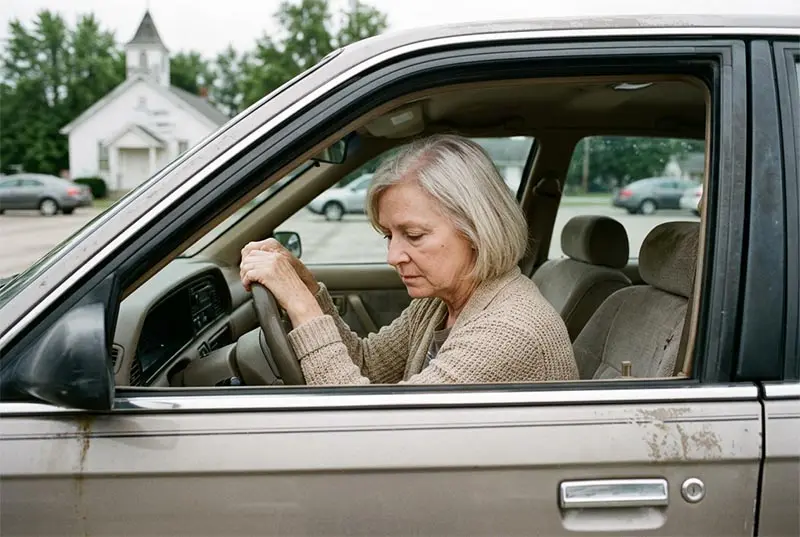
I got through the whole conversation without saying it. Then I sat in my car with my hands on the wheel for a long time before I started the engine.
Her name was Donna. It came back to me at four o’clock that afternoon while I was folding towels. Of course it was Donna.
But by then it wasn’t about the name anymore. It was about the feeling in my stomach in that parking lot.
The Question I Didn’t Say Out Loud
My mother changed in her seventies. It started small, with names and keys and the same question twice in one phone call. I watched it happen over eight years.
So every time a name slipped, or I walked into the pantry and stood there wondering what I came for, the same quiet question came back:
“Is this how it started with Mom?”
I didn’t tell my husband. I didn’t tell my daughter. I didn’t even bring it up at my checkup. I just started writing things down, a lot of things, and staying a little quieter at dinner, in case it happened again in front of people.
And underneath all of it was one thought I couldn’t shake. I have four grandchildren. The oldest is nine. I want to be the grandma who knows their teachers’ names, their best friends and their soccer schedules. Not the one they have to repeat things to, a little louder, a little slower.
Later I learned I was far from the only one. A national poll from the University of Michigan found that nearly half of adults aged 50 to 64 think they are likely to develop dementia as they age, and almost as many worry about it. Yet only 5% had ever talked to a doctor about protecting their memory.
of adults aged 50–64 said they had talked with their doctor about ways to lower their risk of dementia.Source: University of Michigan National Poll on Healthy Aging, 2021
Ninety-five percent of us, worrying in silence. That was me.
A Year of Doing “Everything Right”
I’m a secretary at heart, so I made a plan and I kept records. Here’s what my year looked like:
| What I tried | What happened | Fed the brain? |
|---|---|---|
| Crossword every morning | Got much faster at crosswords. Still blanked on names at the grocery store. | × |
| Brain app, $79 a year | Scores went up every week. My memory at church did not. | × |
| A second cup of coffee | Sharp until about eleven. Foggier than ever by two. | × |
| Pharmacy memory pills | Two brands, about $60. I couldn’t tell you one thing they did. | ? |
| Lists on the fridge | Helped me cope. Didn’t help me remember. | × |
My notebook after one year. I only added the last column later, once I understood what I’d been missing.
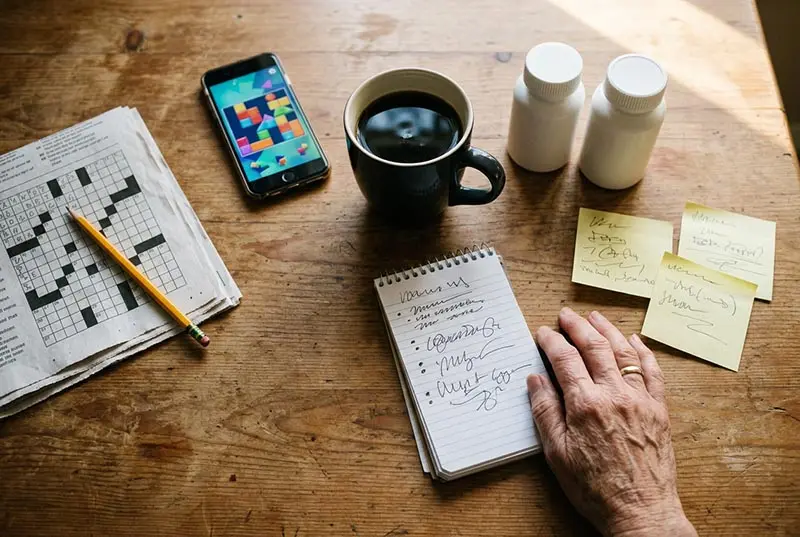
By the end of the year I was more organized than I’d ever been, and no less worried.
So I finally did what I should have done first. I made an appointment and I told my doctor the truth.
What My Doctor Told Me (and the Checklist I Wish I’d Seen Sooner)
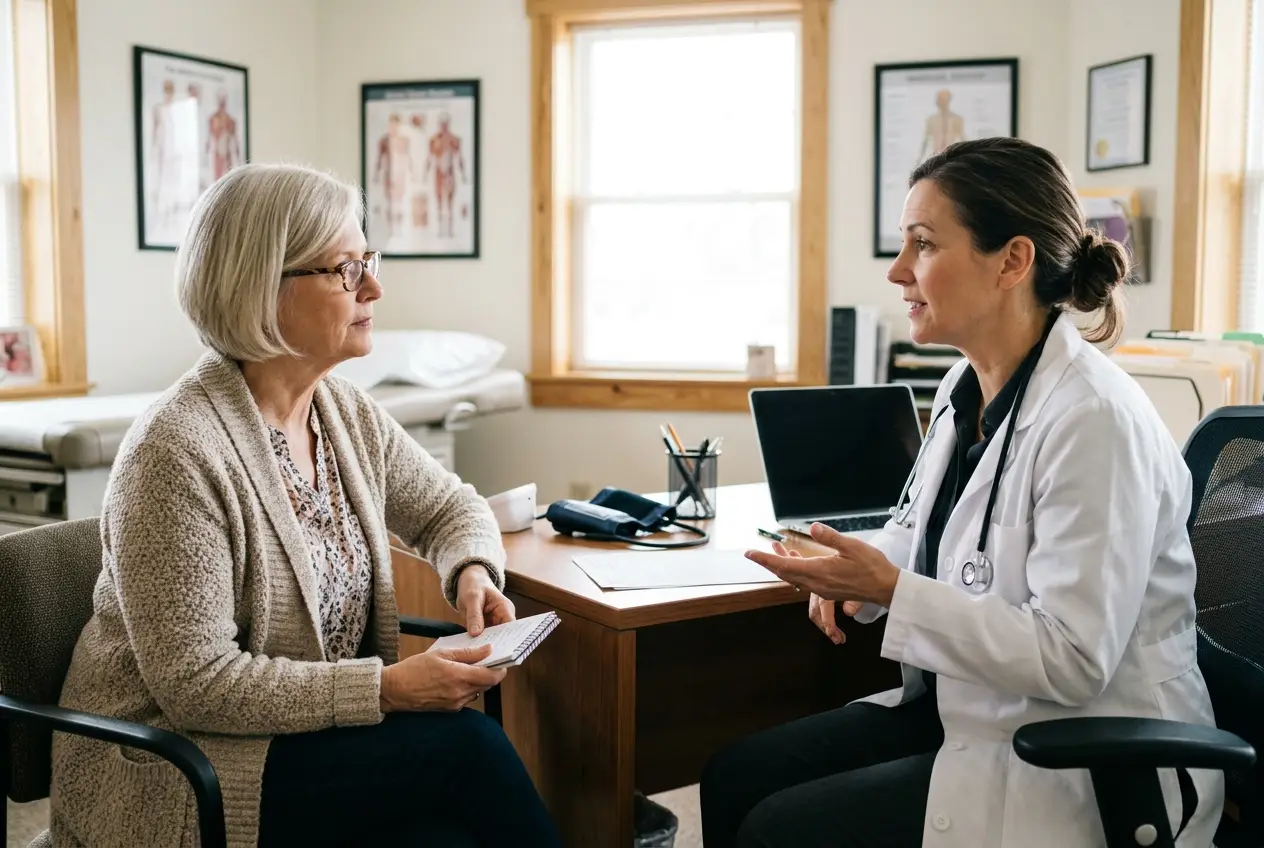
She listened. She ran routine bloodwork, asked about my sleep, and went through my medications one by one. Then she walked me through a simple way to tell the difference between everyday slips and the things that deserve a closer look. I copied it into my notebook:
Usually part of normal aging
- Forgetting a name, then remembering it later
- Walking into a room and forgetting why
- A word on the tip of your tongue
- Misplacing glasses or keys now and then
- Needing lists more than before
Worth a call to your doctor
- Getting lost in a place you know well
- Asking the same question within minutes
- Trouble following a familiar recipe
- Difficulty with bills you used to handle
- Family noticing changes you don’t
Please read this part. If anything in the right-hand column sounds like you or someone you love, call your doctor. Many causes of memory changes, from low vitamin B12 to thyroid problems, poor sleep and medication side effects, can be checked and addressed. Nothing on this page is a substitute for that visit.
Everything I’d been losing sleep over was in the left column. My bloodwork came back fine.
Then she said the sentence every one of us has heard: “Some of this is just part of getting older.”
I was relieved. And I was also a little stuck. Because “just getting older” doesn’t tell you what to do.
The Question Nobody Had Asked
A few weeks later, my grandson was doing a school project on the brain and asked me to quiz him. One line on his worksheet stopped me cold:
The brain is about 2% of your body’s weight, but it uses about 20% of your body’s oxygen and energy.
I read it twice. Then I went to the library, because that’s what secretaries do.
Here is what I learned, in plain English.
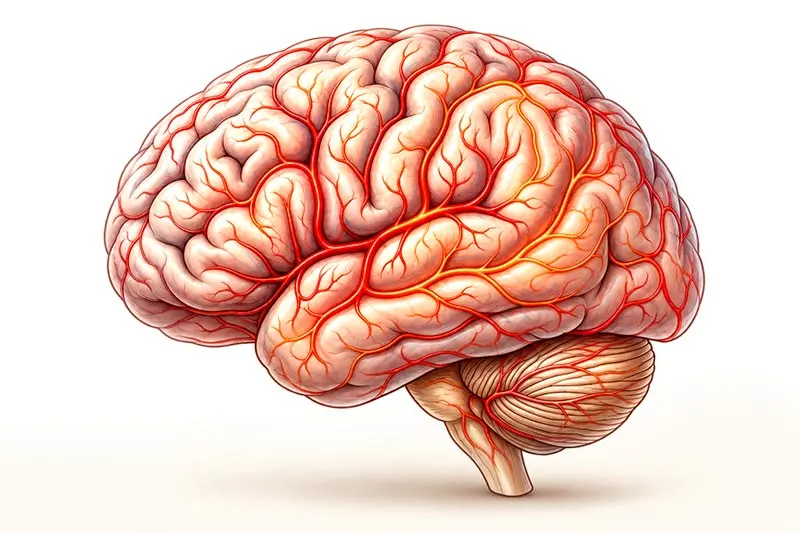
Your brain is the hungriest organ you have, and it keeps almost nothing in reserve. It can’t store energy for later the way your muscles can. Minute by minute, it depends on a steady flow of blood bringing oxygen and nutrients up from the heart.
I thought about the school cafeteria. When the delivery truck came on time, lunch went out on time. When the truck ran late, nothing “broke.” Everything just got slower. Orders took longer. Something got forgotten.
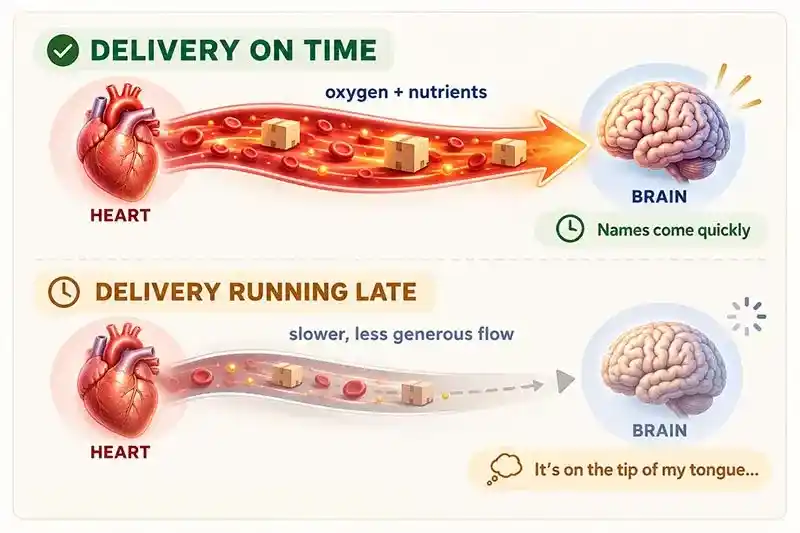
That’s exactly what a “senior moment” feels like. The name is still in there. Getting it back just takes longer than it used to.
And for a whole year I’d been doing the equivalent of training the cafeteria staff to work faster, while never once asking whether the trucks were arriving.
The Nobel Prize Discovery I’d Never Heard Of
This is the part that surprised me most.
In 1998, three American scientists won the Nobel Prize in Physiology or Medicine for discovering that the body makes a simple molecule called nitric oxide, and that it uses it as a signal to tell blood vessels to relax and open.
Think of it as the body’s own “open the lanes” message. The lining of your blood vessels makes it, and it helps keep blood flowing smoothly, including to your brain.
Researchers have since found that, as we age, the body tends to make and use less of it, and blood vessels gradually become less flexible than they were at thirty. Studies in healthy older adults have also found that blood flow to the brain tends to decline slowly over the years.
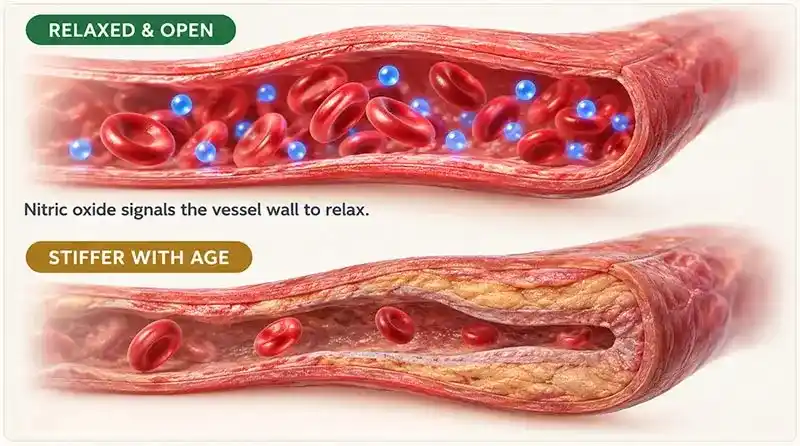
None of that is a disease. It’s just one of the quiet changes of getting older that nobody mentions at a checkup.
But it gave me something I hadn’t had all year: a reason that made sense, and something I could actually work on.
I had spent a year exercising my brain. I had never once thought about supplying it.
Why My Year of Effort Missed the Mark
Looking back at my notebook with fresh eyes, it was obvious:
- Crosswords and apps trained the staff. They didn’t do anything about the deliveries.
- Coffee borrowed a few hours of alertness and gave the afternoon fog back with interest.
- The pharmacy memory pills I’d bought were built around a single idea, and it wasn’t this one.
- Lists were a workaround, not a plan.
It wasn’t that I hadn’t tried hard enough. I’d been working on the wrong end of the problem.
What I Changed
I didn’t want anything complicated. I wanted a few simple habits I’d actually keep. These are the ones that support healthy circulation, which turned out to be good advice for just about everything:
For that last one, I went looking for something built around the supply idea, not another pill built around a single herb. The one I chose is called PrimeHoney. I’ll show you exactly what’s in it further down, because I read every word on that label before I ordered.
See what’s inside PrimeHoney ↓Ingredients, packages and the 60-day guarantee
What Changed for Me

The first morning I set that bottle next to the coffee maker, I felt something I hadn’t felt in a whole year: like I was finally doing something about it, instead of just worrying.
The biggest change was in my head. I stopped treating every slip like a verdict. I knew which column I was in. I knew why a name might take a few seconds longer, and I was doing something sensible about it every single morning instead of quietly panicking.
At my grandson’s birthday party last month, a mom I’d met twice walked up to me. Her name took a second. I didn’t freeze. I smiled, said “Give me a second, it’s coming,” and it did. A year ago, that moment would have ruined my whole afternoon.
I talk at dinner again. Ruth and I haven’t missed a morning walk since June. I’m not the quiet one at the table anymore.
If you’ve been carrying the same quiet question I was, do what I did, in this order: look honestly at that checklist. Talk to your doctor if anything worries you. And if your slips are the everyday kind, stop only exercising your brain and start supplying it, too. Here is exactly what I use.
The daily capsule from this story
PrimeHoney Cognitive Support
One capsule each morning, built around the supply side of memory: the oxygen and nutrients your brain runs on, minute by minute.*
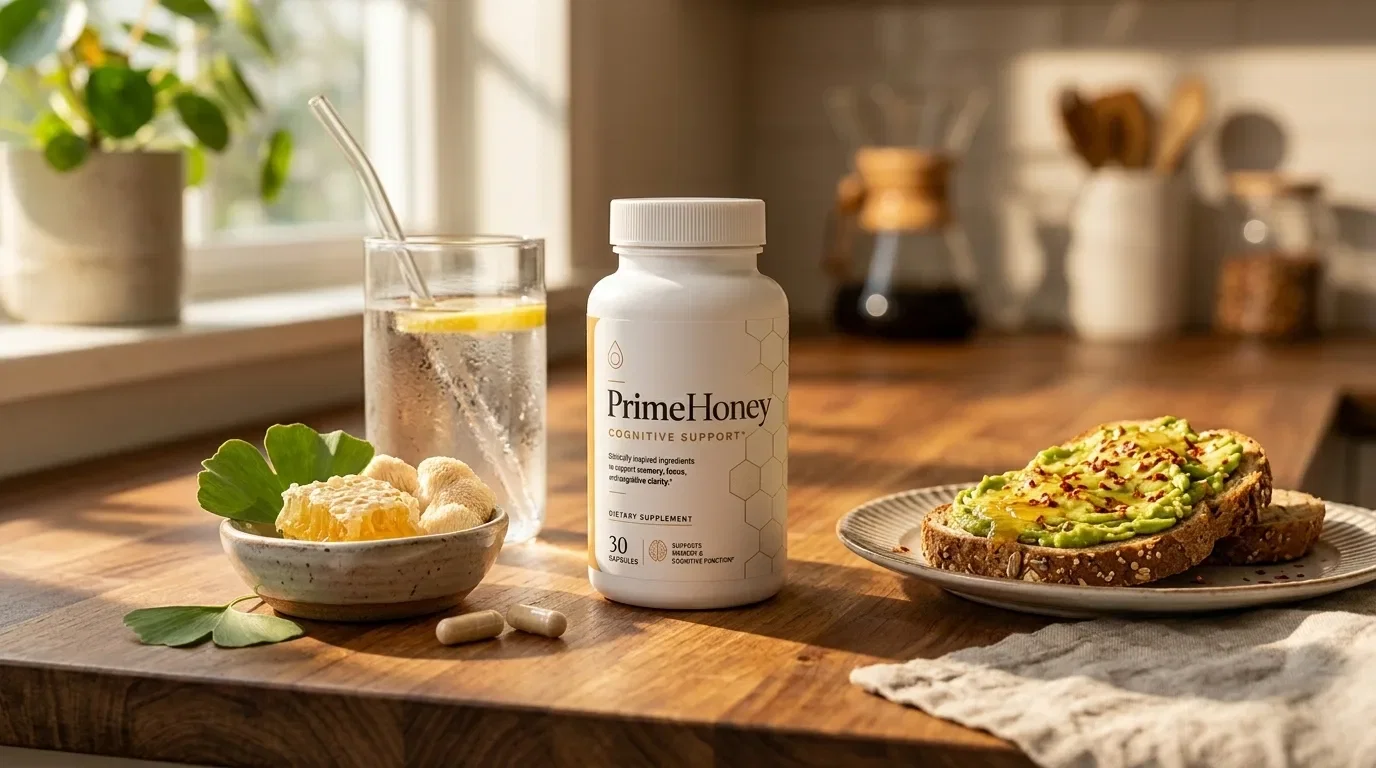
- One capsule a day with water. Nothing to mix, measure or remember at night.
- Two ingredients, listed in plain sight below.
- Fits the routine you already have, right next to your morning coffee.
- 60-day money-back guarantee from the merchant.
What’s inside


What you’re really deciding about
This isn’t really about a capsule. It’s about the moments you’ve quietly started bracing for:
You can keep hoping those moments go well. Or you can start doing something about them tomorrow morning. PrimeHoney is one simple, daily way to start.*
Most of us wait far too long, the way I spent a whole year worrying in silence. Every month you put it off is another dinner of holding back and another name you brace for. The best day to start a daily habit is the next morning you wake up.
Choose your package
A daily supplement is meant to be taken consistently, so the 3- and 6-bottle packages give you the lowest cost per day and free shipping.
2 Bottles
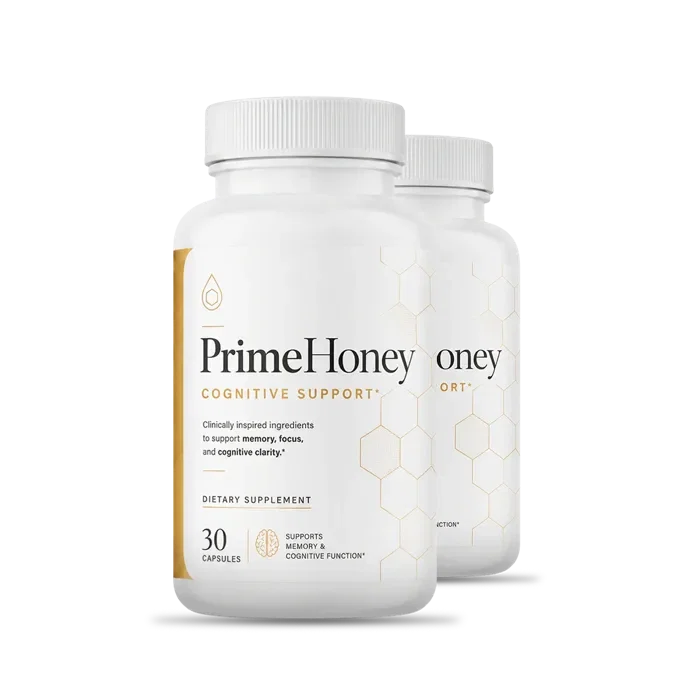
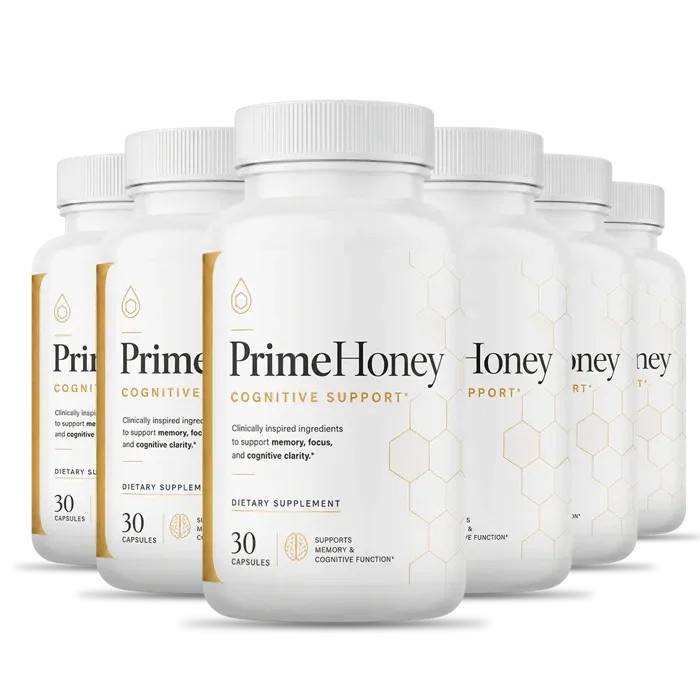
6 Bottles
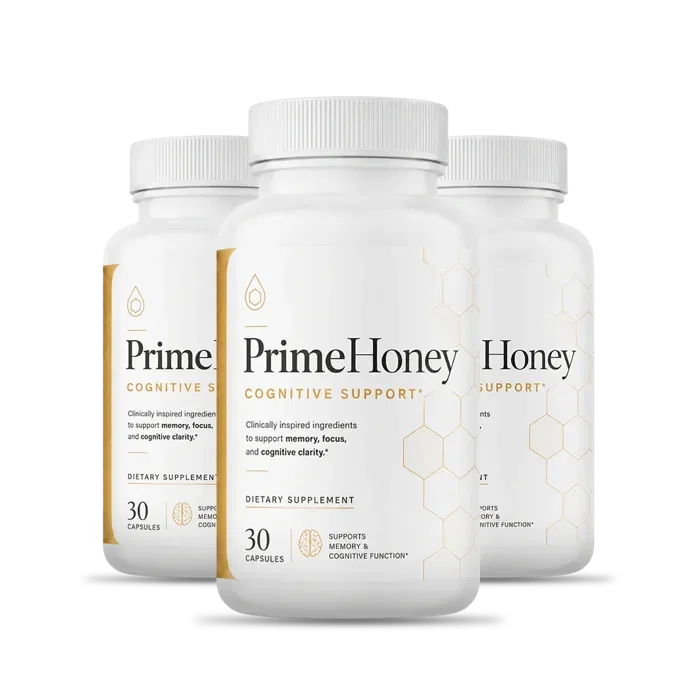
3 Bottles

Secure checkout. Also accepted: PayPal, Apple Pay and Google Pay. One-time purchase, no subscription.
Contains lithium. Check with your doctor first if any of the cautions above apply to you.

Try it for 60 days. The risk is on the merchant, not you.
Take PrimeHoney every morning. Give it the walks, the sleep and the time a daily routine deserves. If within 60 days of your purchase you decide it wasn’t worth it, contact the merchant’s customer support and ask for your money back, under their refund policy.
The only thing you can’t get back is another year of waiting.
How do I take it?
One capsule each morning with a glass of water, following the directions on the label. Each bottle has 30 capsules.
Is the lithium the same as lithium medication?
No. Lithium orotate is a dietary trace-mineral form and is not the same as prescription lithium medication. Even so, lithium can interact with some medications and health conditions, so ask your doctor first if any of the cautions above apply to you.
Which package should I choose?
If you just want to try it, the 2-bottle package is the smallest commitment. If you want to give a daily routine a real chance, the 6-bottle package has the lowest cost per day and free shipping.
When will I notice a difference?
Everyone is different and results vary. PrimeHoney is designed to be taken every day as part of a routine, not as an overnight fix. That’s exactly why the 60-day guarantee gives you time to decide.
What happens after I order?
You’ll get an order confirmation by email, then tracking once it ships. After checkout, the merchant may show optional extra offers. You can decline them.
Is my payment secure?
Yes. Payment is handled on BuyGoods’ secure checkout page. PureWell Select never sees or stores your card details.
P.S. from Karen: If you scrolled straight down here, here’s the short version. Your brain is about 2% of your body and uses about 20% of its oxygen and energy. For a whole year I only exercised mine. Supplying it is the part I wish I’d started sooner. You can try PrimeHoney for 60 days with a money-back guarantee, so the only real risk is waiting another year.